The XO’s Two Jobs
Manage the Programs and Lead the Headquarters

An executive officer (XO) has two linked responsibilities: manage the commander’s programs and lead the headquarters sections that support the platoons. In the first role, the XO sets standards, tracks execution, and follows up on supply discipline, maintenance, training, property, and readiness. In the second, the XO sets shared priorities and leads the people who provide support.
Throughout this article, company refers to a company, battery, or troop. The two responsibilities often overlap. The XO manages maintenance as a command program and leads the mechanics and clerks who keep equipment ready. The XO tracks supply discipline and leads the soldiers who manage company property.
Some new XOs first learn the command programs. They build systems, follow battalion requirements, and help the commander see the company’s status. Others first learn the headquarters sections. They spend time with the soldiers who do the work and learn where delays start and what platoons need. Strong XOs develop both perspectives.
Managing Programs: The XO as the Commander’s System Manager
The commander remains responsible for the company’s successes and failures. The XO helps the commander maintain the systems that keep the company ready.
Command supply discipline requires steady attention. The commander has command responsibility for property, while the XO helps maintain the system that accounts for it. The XO checks hand receipts, shortage annexes, inventories, and transfers throughout the year. Regular follow-up gives the commander a clear view of property before an inspection or change of command.
Maintenance follows a similar pattern. The commander needs reliable equipment to complete missions. The XO tracks services and dispatches, verifies faults, follows parts and recovery, and reports equipment status honestly. Regular motor-pool presence and prepared maintenance meetings help leaders find problems early. Follow-up keeps repairs moving and combat power available.
The commander sets training priorities. The XO turns those priorities into executable plans by securing ranges and ammunition, matching equipment and transportation to each event, and preparing risk controls and rehearsals. Strong plans require coordination well before training begins.
Administrative readiness also depends on reliable systems. Awards, evaluations, schools, medical readiness, personnel actions, sponsorship, and leave affect soldiers throughout the year. The XO tracks those requirements, finds friction, and brings decisions to the commander.
The XO gives the commander reach by turning guidance into action, surfacing problems early, and recommending solutions before each requirement needs command attention.
Leading the Headquarters
A company headquarters brings together sections with specialized work, different workloads, and competing deadlines. The XO sets priorities, coordinates timelines, resolves conflicts, and keeps each section’s work tied to platoon needs. Some units assign a formal headquarters platoon leader. In every unit, someone must coordinate the sections that support the line platoons.
The XO learns how headquarters works by spending time with the people who do the work. Visit the supply, training room, arms, and orderly rooms. Talk with mechanics and motor-pool clerks. Ask which tasks create delays, where platoons add avoidable friction, and what decisions would help each section support soldiers. These conversations show where the headquarters needs direction and where platoons need to change their routines.
Headquarters work enables the line platoons to train, maintain their equipment, and prepare their soldiers for schools. A range will move forward when it has the resources and support it needs. A vehicle will become operational again when the mechanics receive clear priorities and parts. A soldier will attend a school when the company completes and tracks the required packet. The XO helps connect those requirements to the people responsible for completing them.
Integrating Programs and People
The XO should learn headquarters sections and map the commander’s programs at the same time. Meet with each section to understand its workload, current problems, and support needs. For every recurring requirement, record the owner, suspense, standard, risk, and status. That record helps the XO find gaps before they affect readiness.
A battle rhythm should connect program reviews to the people doing the work. Maintenance meetings should lead to motor-pool follow-up. Training meetings should produce actions for ranges, equipment, transportation, and rehearsals. Administrative readiness reviews should lead to action for named soldiers. Percentages alone can hide who needs support.
The Standard
The XO connects the commander’s programs, headquarters sections, and platoons. The job calls for sound systems, presence across the headquarters, and consistent follow-up. When the XO manages programs and leads the headquarters, the commander gains a clearer view of readiness and platoons receive the support they need to execute. Be both the executive officer and the headquarters platoon leader.
LTC Michael Carvelli twice led Soldiers in combat, first as a Sapper Platoon Leader in the 173rd Airborne Brigade Combat Team and second as a Company Commander in the 6th Engineer Battalion (Combat) (Airborne), both in Afghanistan during Operation Enduring Freedom.
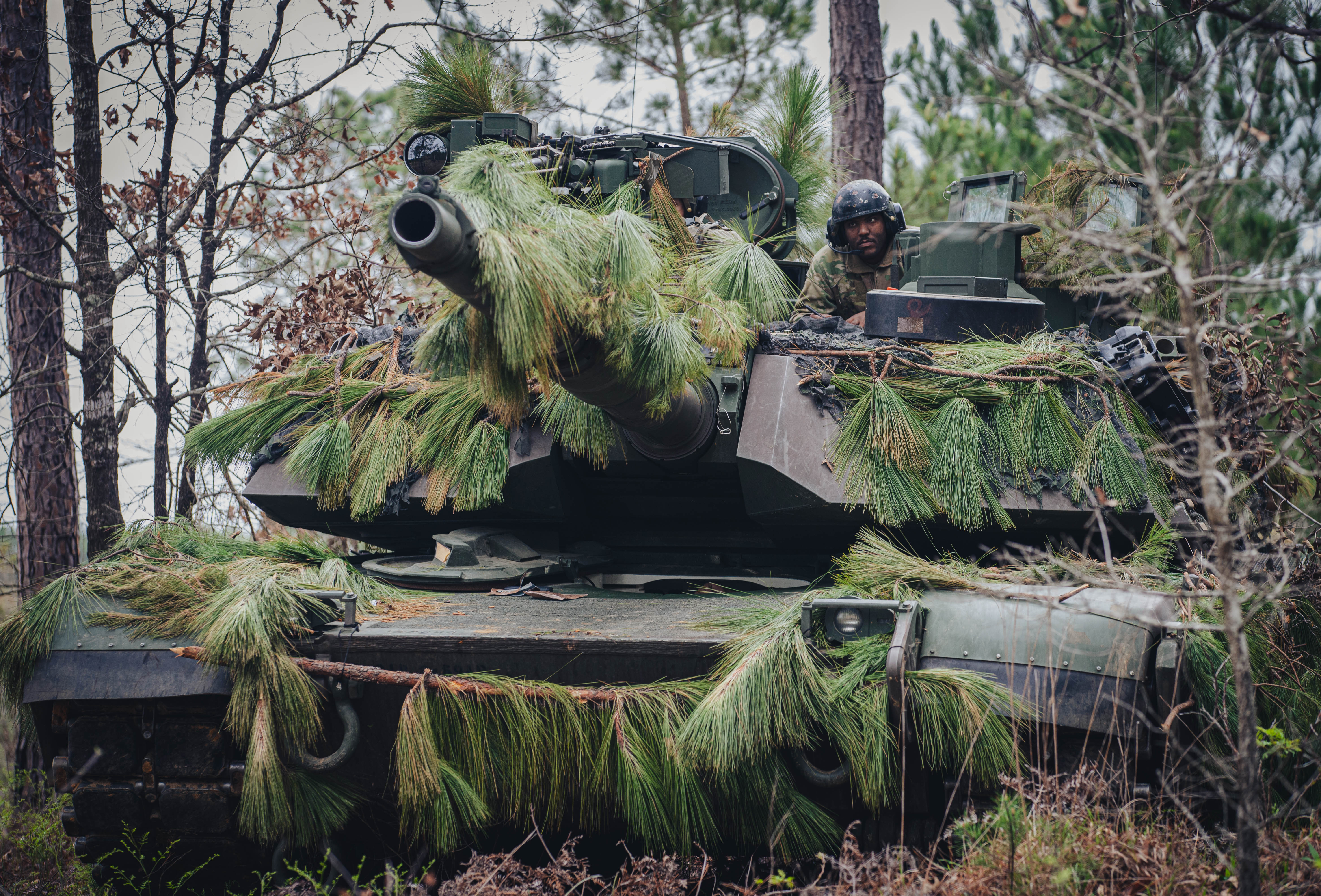
Photo: Courtesy of DVIDS. 23 September 2026 by SGT Ronald Bell.