Sincerity. Reliability. Competence. Care. No matter your role as a company-grade officer, trust is foundational to a team’s success. Trust connects a leader’s intent to …
Intro I walked into LTC Tomi King’s office as a new 2LT in his formation. We discussed all the normal talking points in that initial counseling – family, where I …
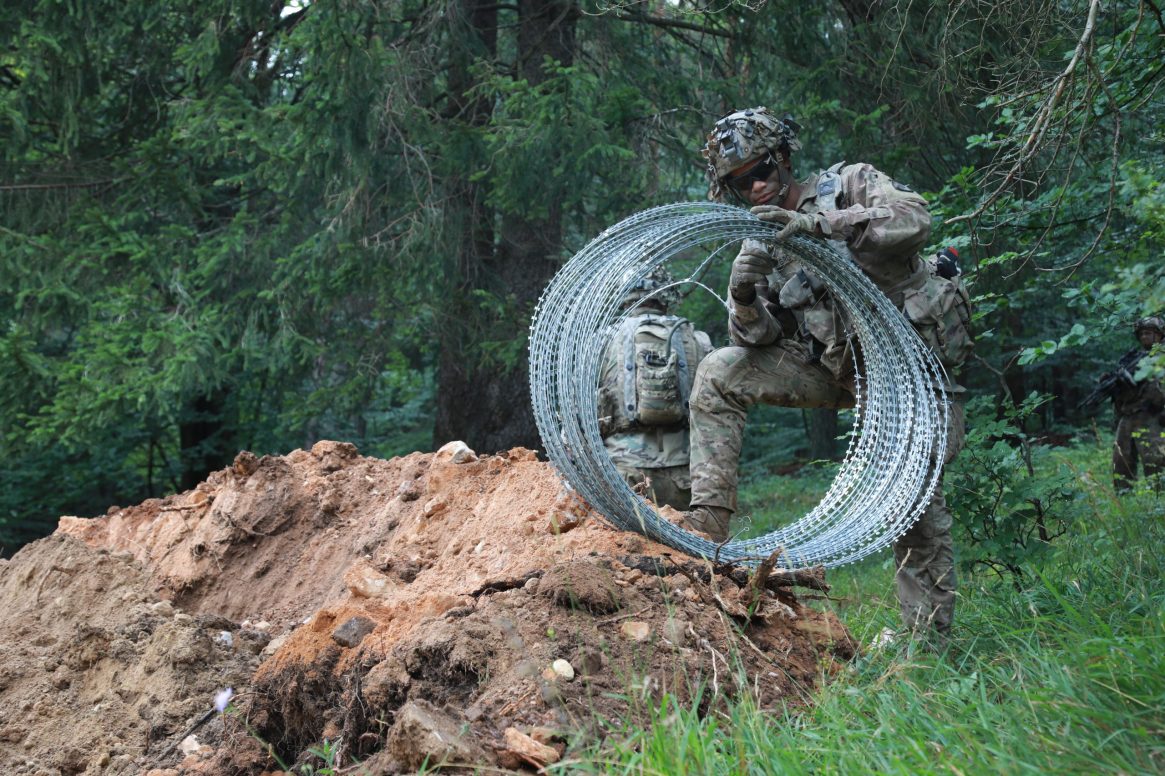
(U.S. Army Photo by Cpl. Tomarius Roberts, courtesy of DVIDS) Enablers provide capabilities to commanders that they either do not have on their own or do not have in sufficient …
MAJ Amber Ingwell is an aviation officer with leadership experience in the 10th Combat Aviation Brigade and 1st Armored Division Combat Aviation Brigade. She currently serves as an Instructor at the Simon Center for the Professional Military Ethic at the U.S. Military Academy at West Point, where she has also taught American Politics in the Department of Social Sciences. She holds a B.A. in Political Science from the University of Wisconsin–Madison and an M.P.A. from Cornell University.
Deployments challenge junior officers beyond their primary duties, often demanding adaptability, wellness management, proactive leadership, and moral integrity maintenance.
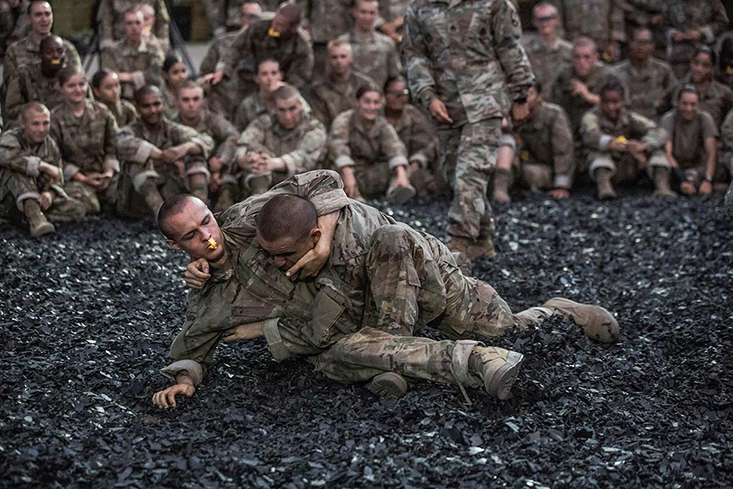
U.S forces close with and destroy the enemy. But how close? One kilometer, 300 meters, hand grenade range? How about close enough to hear your enemy’s last words?
Junior Officers need more than reading lists. Reading is a tool, but not the only one—leaders grow through thinking, reflecting, experiencing, and engaging with others in meaningful ways.
Captain Carmody champions a philosophy of moderation for Army leaders. Through moderation, leaders can avoid the burnout of extremes, make wiser decisions, and model balanced, …